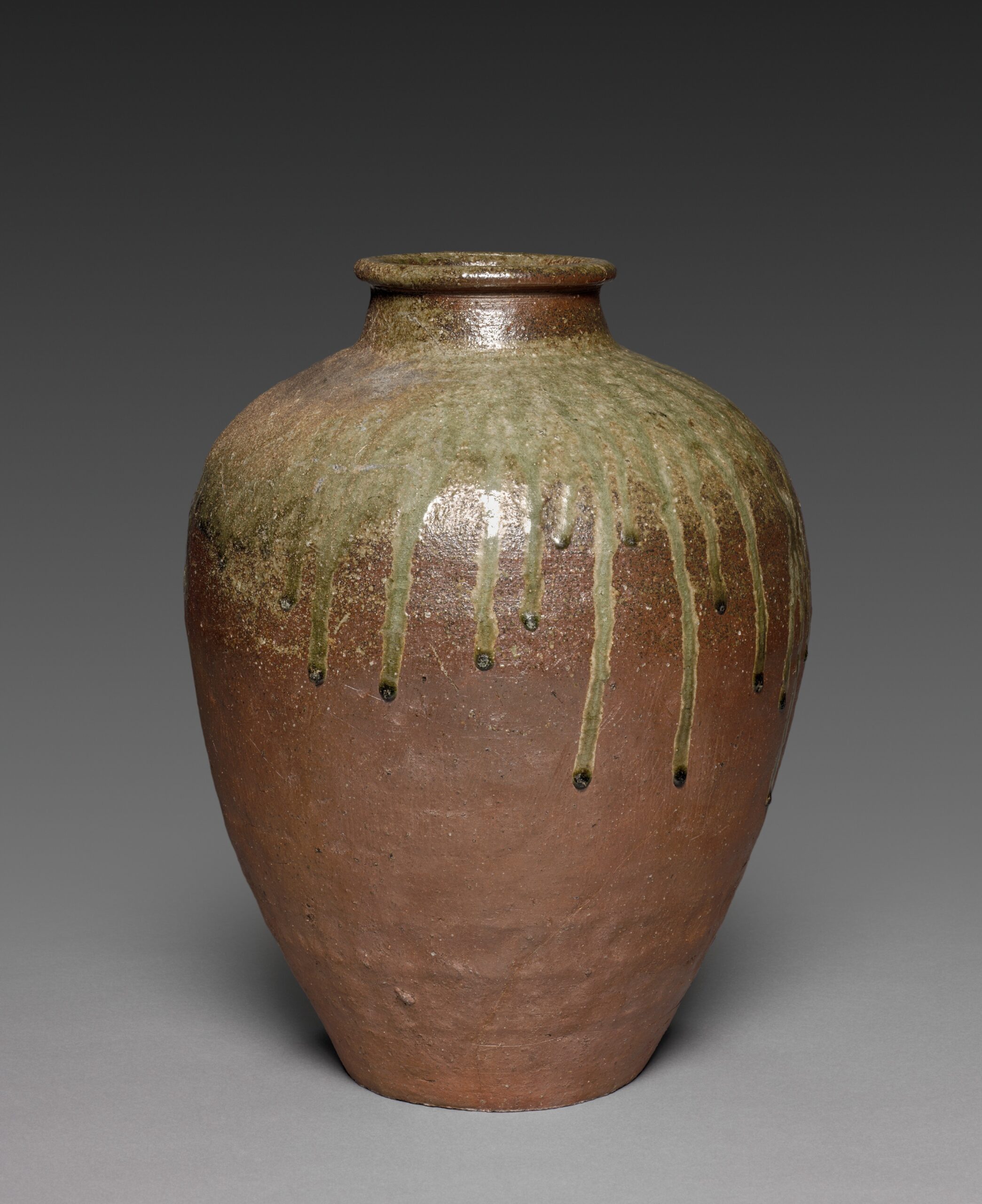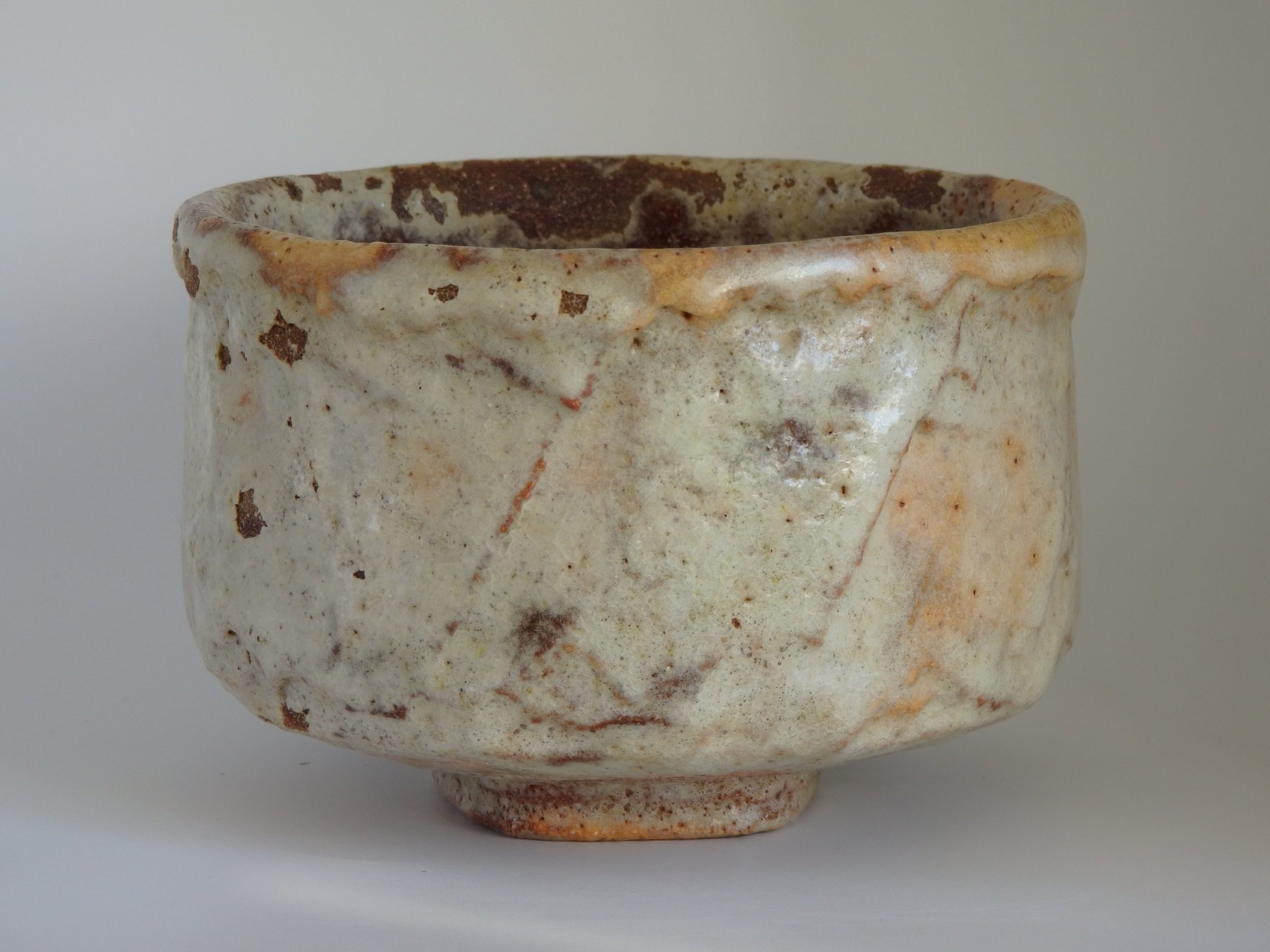
Hold a Japanese tea bowl up to the light and turn it slowly in your hands. The glaze thickens and thins unevenly across the surface. A crawl of ash has settled along one shoulder, darker where the flame reached it directly, paler where it didn’t. No two bowls from the same kiln, fired in the same week, will ever look quite the same. This is not a flaw to be corrected in the next firing. In many Japanese ceramic traditions, it is the entire point.
Japanese pottery has earned its international reputation the slow way — not through a single dazzling style, but through the accumulated weight of regional traditions that have been refined, argued over, and quietly perfected across centuries. Some kilns trace unbroken production back to the twelfth century. Others emerged more recently, shaped by war, trade, or a single influential teacher, and still managed to develop a visual language distinct enough that a collector can often name the region on sight. What ties them together is not a shared aesthetic — a Bizen sake flask and an Arita porcelain plate share almost nothing in appearance — but a shared discipline: close attention to material, honesty about process, and a willingness to let the kiln itself have a say in the outcome.
For a newcomer, this diversity can feel overwhelming before it becomes rewarding. “Japanese pottery” is not one thing to learn; it is closer to fifteen or twenty separate craft traditions that happen to share a country and, in some cases, a set of tools. A collector who understands why Bizen ware rejects glaze entirely, while a few hundred kilometers away Kutani ware builds its identity on saturated overglaze color, is no longer just admiring objects. They are reading them — recognizing what a particular surface, weight, or firing mark is actually telling them about where a piece came from and what its maker valued.
That is the purpose of this guide: to lay out the major pottery-producing regions of Japan clearly enough that the differences between them become memorable, not just listed. Each region here — from the ash-glazed jars of medieval Echizen to the hand-painted porcelain of Tobe, developed centuries later in what is now Ehime Prefecture — will eventually have its own dedicated guide on this site. What follows is the map before the detail: enough history, material knowledge, and context to make every future object you encounter, whether in a gallery, an auction listing, or your own collection, a little more legible.
A history with no real endpoint. Ceramic production in Japan reaches back further than most of its written history, and a handful of regions have kept wood-fired traditions running continuously since the medieval period. These are not museum reconstructions staffed by hobbyists; they are working kilns, often still operated by descendants of the founding families, using clay dug from the same hillsides their ancestors used. Few ceramic cultures anywhere can claim that kind of unbroken thread between a twelfth-century kiln and a twenty-first-century workshop.
What Makes Japanese Pottery Different?
Regional identity that runs deeper than style. In many countries, ceramic style is largely a matter of a particular artist’s or workshop’s choices. In Japan, style is often inseparable from geology. The iron content of Bizen’s clay, the feldspar flecks in Shigaraki’s soil, the fine white kaolin deposits that made Arita porcelain possible — these are not decisions a potter made so much as constraints a region handed down. A collector who learns to read clay body and glaze chemistry is, in effect, learning to read geography.
A working partnership with the tea ceremony. Few art forms anywhere have been shaped as directly by a single ritual practice as Japanese ceramics have been shaped by chanoyu, the tea ceremony. Tea masters of the Momoyama period (roughly the late sixteenth century) did not simply use pottery — they actively commissioned it, critiqued it, and in some documented cases requested specific irregularities from potters. Mino ware’s Oribe and Shino styles, and much of what defines the modern chawan (tea bowl) tradition, exist in something close to their current form because tea culture demanded them.
Wabi-sabi, explained rather than assumed. The term gets used loosely outside Japan, often as a stand-in for “rustic” or “imperfect.” Its actual meaning is closer to a deliberate appreciation of transience, asymmetry, and the marks that time and use leave on an object — a crackled glaze, an off-center rim, a firing flaw that becomes a focal point rather than a defect. Understanding wabi-sabi as a considered aesthetic position, not an accident or a lower standard of craftsmanship, is one of the more useful shifts a new collector can make.
Craftsmanship that resists division of labor. Industrial ceramics typically separate the person who forms an object from the person who decorates it, glazes it, and fires it. Many Japanese potters, particularly in the folk-craft (mingei) and studio traditions, do all of it themselves — digging or sourcing their own clay, throwing or hand-building the form, mixing glazes from first principles, and tending a wood kiln for the two or three days a firing can take. The resulting object carries one person’s judgment from start to finish, which is part of why signed, well-documented pieces from named potters are valued as they are.
A relationship with nature that stops short of full control. Perhaps the most distinctive thread running through Japanese ceramics is a willingness to let fire, ash, and clay behave unpredictably within a controlled process. Anagama and noborigama wood kilns produce natural ash glazes that no potter fully dictates in advance — the position of a piece in the kiln, the direction of the flame, and the amount of ash that lands and melts onto the surface all shape the final result. Bizen ware in particular is defined almost entirely by this negotiation between potter and kiln, since no applied glaze is used at all. The aesthetic result is a style of beauty that Japanese ceramics returns to again and again: not mastery over material, but a disciplined collaboration with it.
About HOJO Japanese Ceramics
HOJO Japanese Ceramics is based in Tobe Town, Ehime Prefecture, one of Japan’s historic pottery regions.
We research, curate, and share authentic Japanese ceramics with collectors around the world.
Explore our curated collection in the HOJO Etsy Shop.